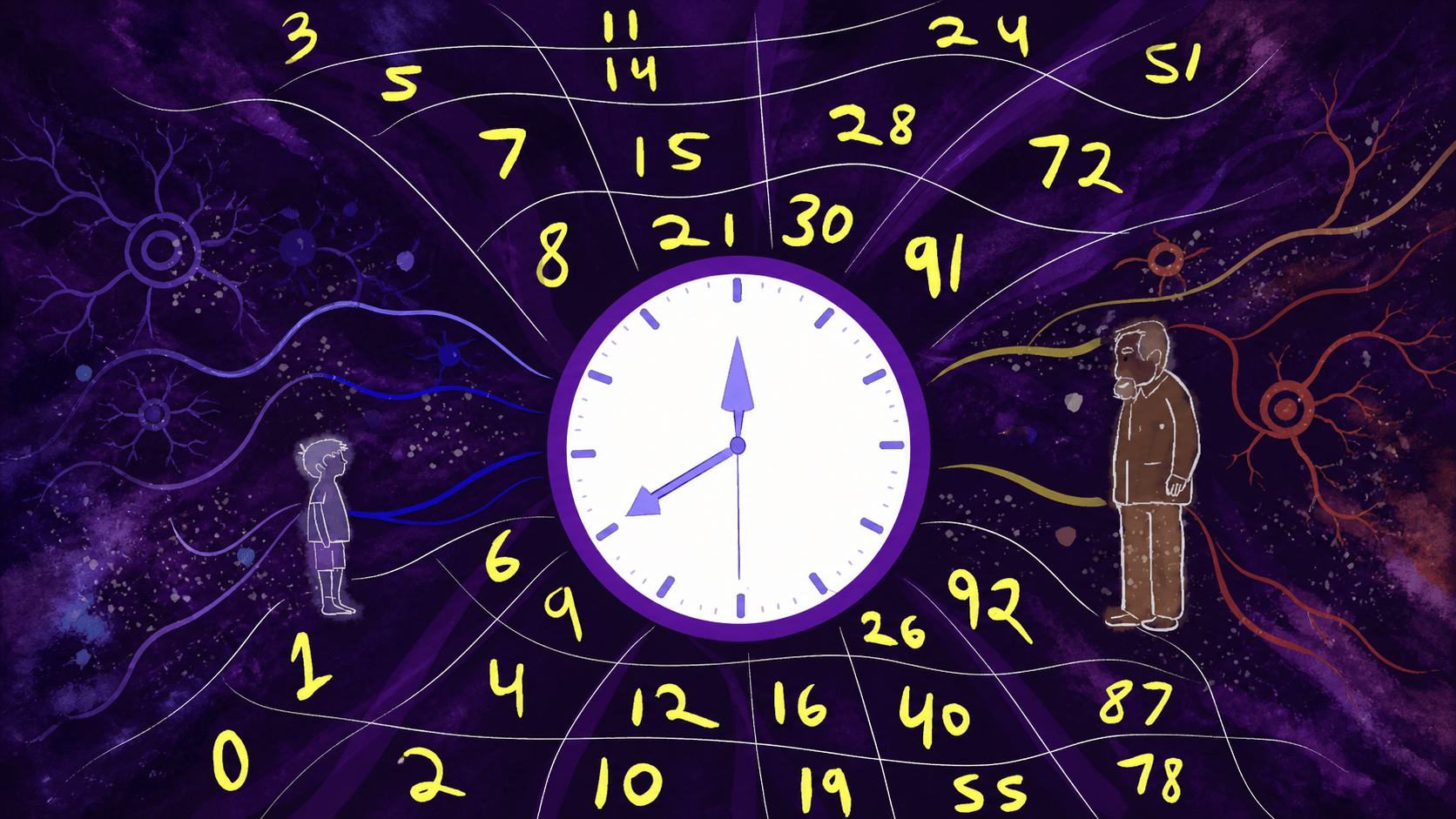
Feeling Our Age
How Emotion Changes Across the Lifespan

Meet Maria
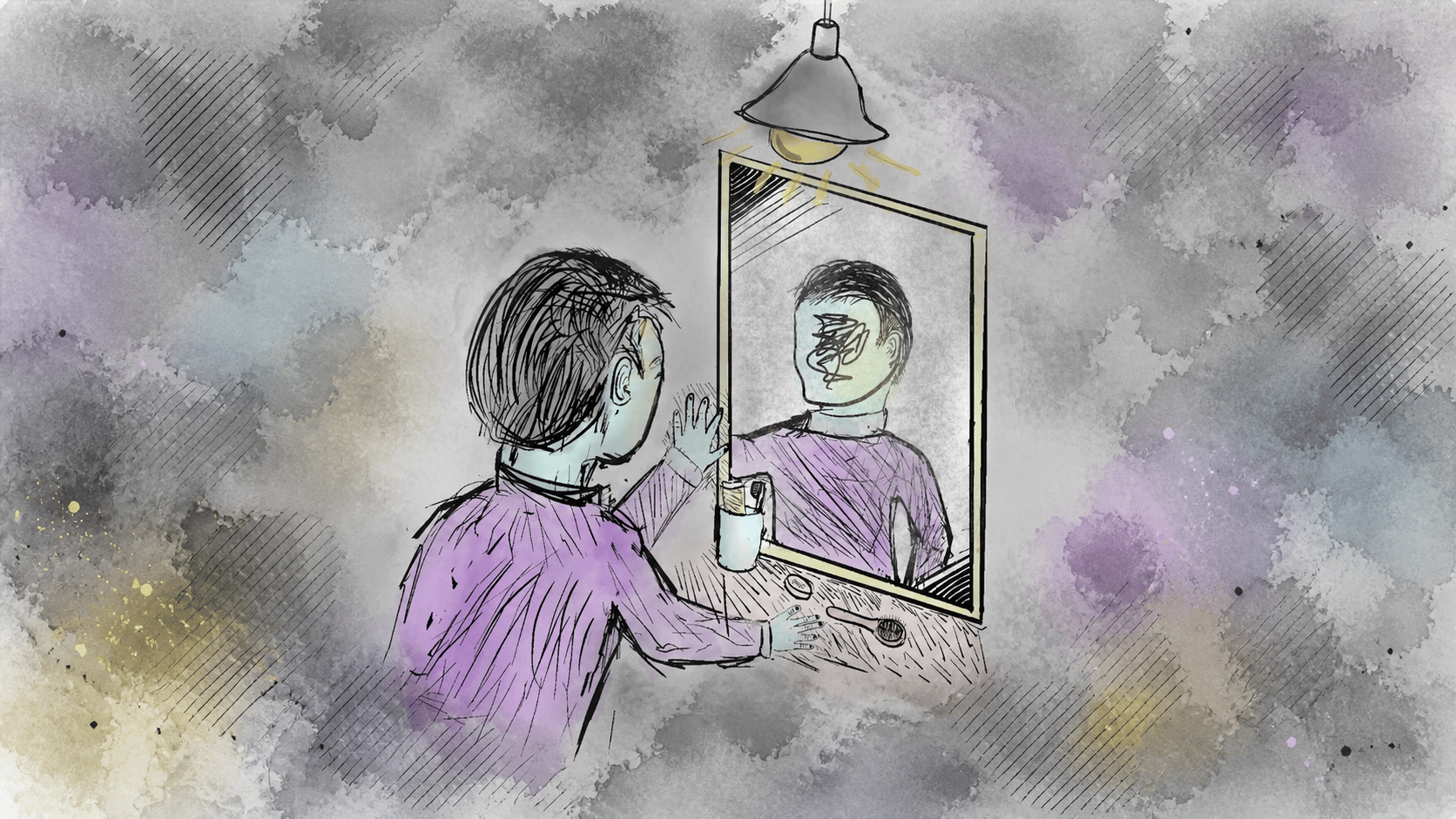
She entered her freshman year of college initially filled with high expectations. After all, she saw college as a place to meet new people while at the same time taking fun, challenging classes. The first week of college was fun. She had ample time to meet new people, explore the city, as well as try some new restaurants. However, the weeks that followed were different. Everything changed. Reading assignments and homework began piling up. And so did her panic and anxiety. Meeting every deadline simply seemed impossible. And so, quickly she burnt out. She gradually began to distance herself from her friendships, promising to “catch up soon”. For the rest of the year, these tense emotions hovered and lingered, plaguing her like a black cloud. It stung as she gradually isolated herself. Fast forward to her senior year, she still experienced class anxiety, but it was different. She was able to recover from it, owing a part of it to her increased socialization. Throughout the next ten years of Maria’s life, she went through trust, distrust, broken relationships, marriage, and the agonizing pressure of finding a fulfilling job, yet the thoughts and emotions Maria experienced did not consume her like day let alone weeks like they used to. Then, in her 50s, good and bad days were still very real. However, the good days seem to feel longer to her and the bad ones even shorter. Positive thoughts and emotions seemed to fill her mind. By her 60s, Maria couldn’t help but reflect back on all the positive aspects of her journey. Her memories of her college education were filled with triumphs. For example, the time she ran a marathon or performed well on her test. It was almost as if she forgot about her anxiety.
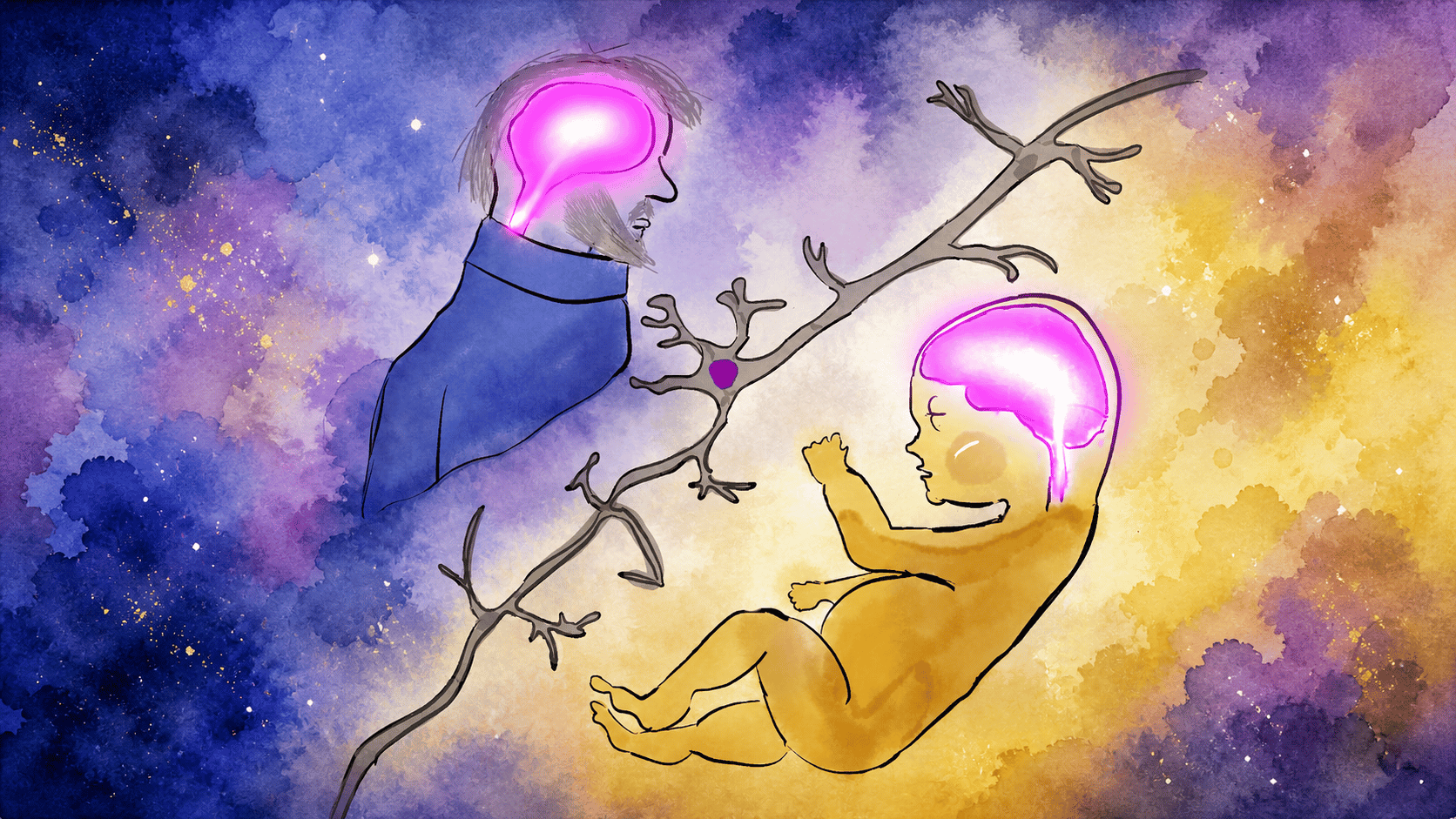
Maria aged.
What Maria experienced is normal. In fact, it is a normal part of aging. Emotion is not a static state but rather one that is very dynamic that is altered with age. Furthermore, emotional recognition follows a similar principle.1
The aim of this article is to explore the emotional dynamics associated with aging.
Defining Emotion
Universally defining emotion has been an endeavor. This universal definition has to be correct for cultures around the world. For example, when shown a smiling face, can an individual in the United States and Spain come to a consensus that the smiling face portrays happiness. For what emotions does this test hold true? Essentially it is first important to define what emotion is then it is important to classify what emotions are universally recognized.
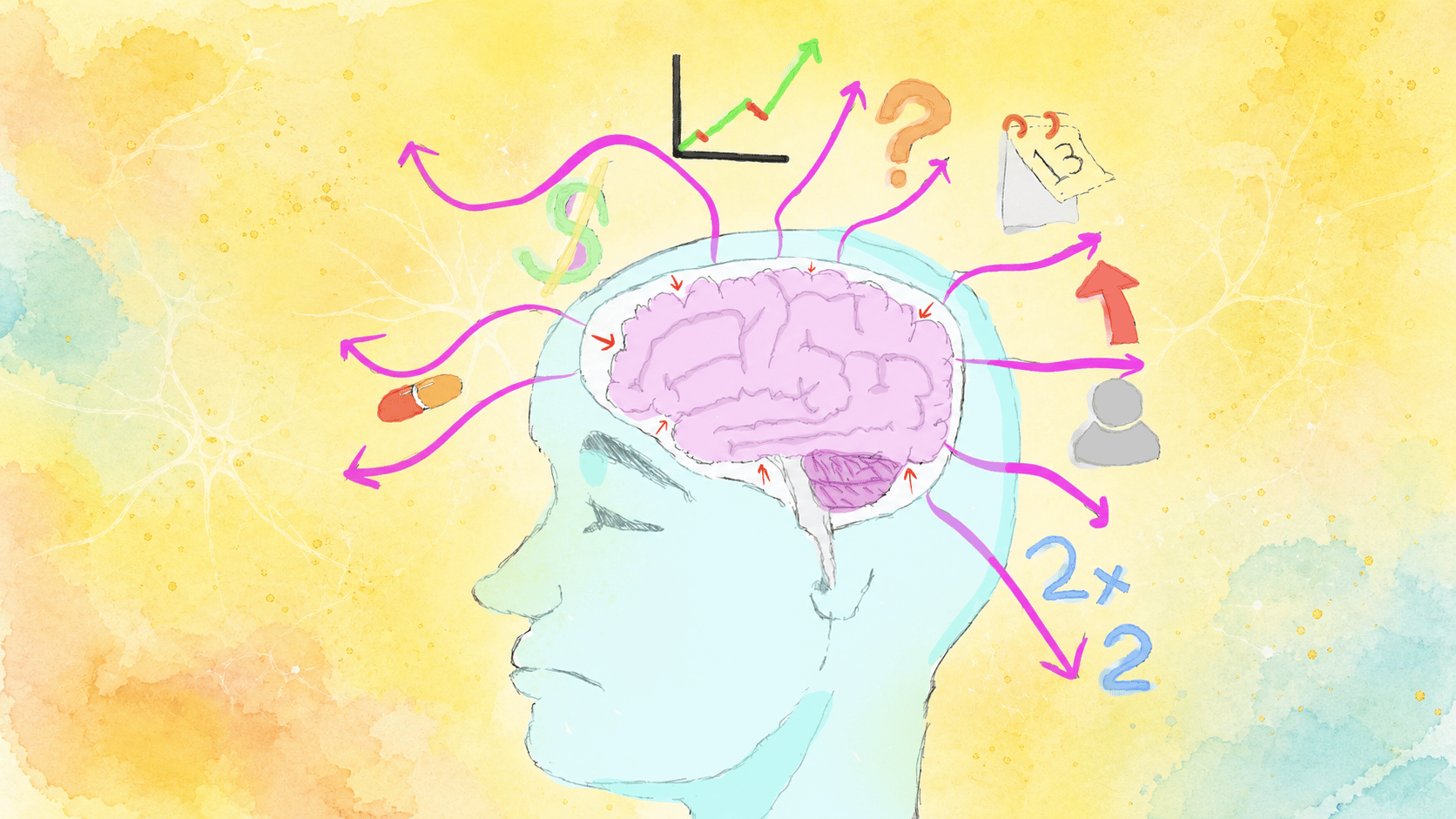
Emotion can be broadly defined as a complex experience of consciousness, bodily sensation, and behavior that occurs as a reaction to an event. With an event being, an object or state of affairs (e.g. a disgusted reaction mapped across an individual's face after being shown mold).2
Emotions are reactions.
American Psychologist, Paul Ekman tried to answer the question of the existence of universal emotions. In 1967, he traveled to Papua New Guinea to study the Fore people and investigate this question. These individuals were isolated from Western civilization. In order to compare emotional recognition of the Fore people and individuals in Western civilization he performed a matching test. He read emotional phrases to both groups such as "your friend has died". He then asked them to match a face to the story. Outstandingly both groups agreed on the face associated with each respective story, demonstrating similarities in emotion recognition.3
From here, Paul Ekman defined six universal emotions: happiness, sadness, fear, anger, surprise, and disgust.2 Analyzing a face, common regions used to determine emotion are the mouth and the eyes. However, it is important to note that facial expression does not account for the full physiological experience of an emotion, which can include trembling or sweating. Many studies analyze the ability of individuals to identify the six universal emotions. Some studies go as far to analyze the physiological aspect of emotion.

Recognizing Emotions Becomes more Difficult
As we age, there is a decline in ability to recognize certain emotions from faces. In a meta-analysis consisting of twenty-eight data sets comparing younger adults (mean age = 23.9 years) to older adults (mean age = 70.2 years). In this study facial expression of human and non-human subjects were analyzed along with body, voice, and face plus voice. The body metric was analyzed by making the body itself invisible but lights that were attached to different parts of the body visible to participants. These metrics were analyzed independently from one another. From these studies, older adults found facial expressions of sadness, anger, and fear harder to identify compared to younger adults. Being consistent, for voice, older adults found happiness, sadness, and anger difficult to identify with other metrics having no statistical significance. For the body, older adults were worse at identifying anger, sadness, and fearful bodily expressions. For the face and voice condition, older adults were worse at identifying all emotions. However, emotional recognition does not trend down with age. For the face condition, recognition of disgust increased.4 Other studies satisfied the face into two regions: the eyes and the mouth. Recognition of emotion from the eyes and the mouth is dependent upon the emotion.5 For instance, anger and disgust are highly dependent on the lower half of the face, but sadness, anger and fear rely on the upper half of the face. From the meta-analysis it is known that older adults have difficulty recognizing sadness, anger, and fear, which could be explained by the region of the face that older adults concentrate on to perceive emotion. Older adults fixating on the mouth region could be due to generational changes in social etiquette regarding eye contact or increased level of attention on people’s mouth. However, these claims are nothing more than speculation. From the study, older adults were again found to report a lower accuracy in identifying sadness and anger from the whole face, but were better at identifying sadness and anger from the mouth region. However, the same can not be said for the eyes, indicating different decoding patterns.6 Then in a follow-up study, using a chimeric face where the eyes and the mouth presented different visual information regarding emotion. Older adults were more likely to use information from the mouth to assess anger, fear and disgust.6
The Aging Emotional Brain
As seen, emotion is a complex web that involves multiple interacting components. Multiple factors go into deciding what makes up an emotion and the identification of an emotion. This complication extends to the brain. Several regions and pathways of the brain account for the difference in emotional recognition between older and younger adults.
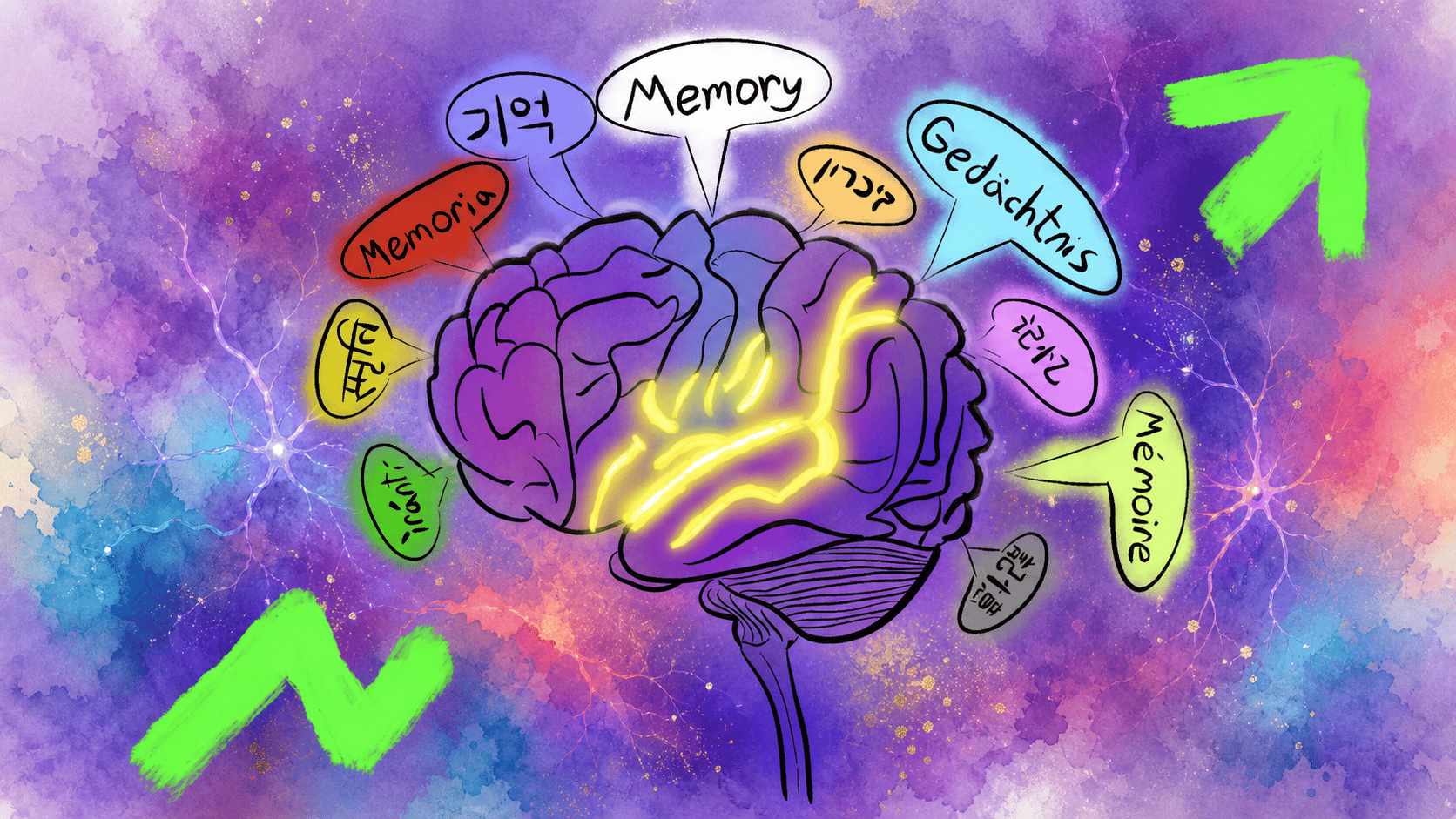
For older adults, there is less activation in limbic areas, key areas of the brain that regulate emotion and memory, compared to younger counterparts.8 During the face processing task, older-adults recruited more of the anterior cingulate, which in regards to emotion regulates emotional responses. The anterior cingulate controls the pleasantness or unpleasantness of stimuli. Consistent with these findings, older-adults showed less activation in the amygdala, which is part of the limbic system. However, this finding may just be evidence of atrophy to the amygdala as a result of age-related changes. Furthermore, structural MRI studies reveal an age-related decline in limbic regions (i.e., the hippocampus and the amygdala).9,10 Older adults instead had an increased reliance on the prefrontal cortex when it came to emotion discrimination in the task. However, this was only the case when emotional aspects of the task were task relevant8
Another study using fMRI demonstrated that older adults had enhanced functional coupling of the amygdala with the frontal regions and a decrease in the co-activation of the amygdala with posterior regions. These results are congruent with the shift in the processing of negative emotions, shifting processing and enhancing emotional regulation11
fMRI studies have also been performed in the context of negative emotions such as fear and sadness, being consistent with prior results for age-related loss of function involving the amygdala. For instance, results indicate that there is greater left amygdala activity for negative faces in young adults compared to older adults.12
Changes in the brain can be summed up as follows: there are age-related changes in the “social brain”, which consists of the frontal and temporal areas. Older adults' difficulty in anger recognition may be related to decline in the Orbitofrontal Cortex, sadness to decline in the cingulate cortex and amygdala. Strength of disgust recognition due to preservation of the basal ganglia.13-15
Lower levels of neurotransmitters could also have a neuromodulatory role in emotional recognition. It is known that neurotransmitters like noradrenaline and dopamine decline in the amygdala, OFC, and ventral striatum.16,17 However, there is an optimal level of neurotransmitters; too much or too little produces negative results.18 Administering antagonistic neurotransmitter drugs to young adults impairs recognition of some facial expressions. For example, sulpiride, a dopamine antagonist, results in an impaired recognition of anger in younger adults.19
Older adults focus on Positive Emotions
In light of the neurological findings, to some readers it may seem unsurprising that there exists the idea of the positivity effect as we age. Some studies show increases and decreases with age. However, the ratio of positive effect to negative effect improves as we age.20 Despite cognitive, decline emotional regulation increases with age.21 For example, instead at yelling at an individual for a wrong behavior, an older adult shows more regulation of emotions, thus often preventing such an incidents from occuring.22
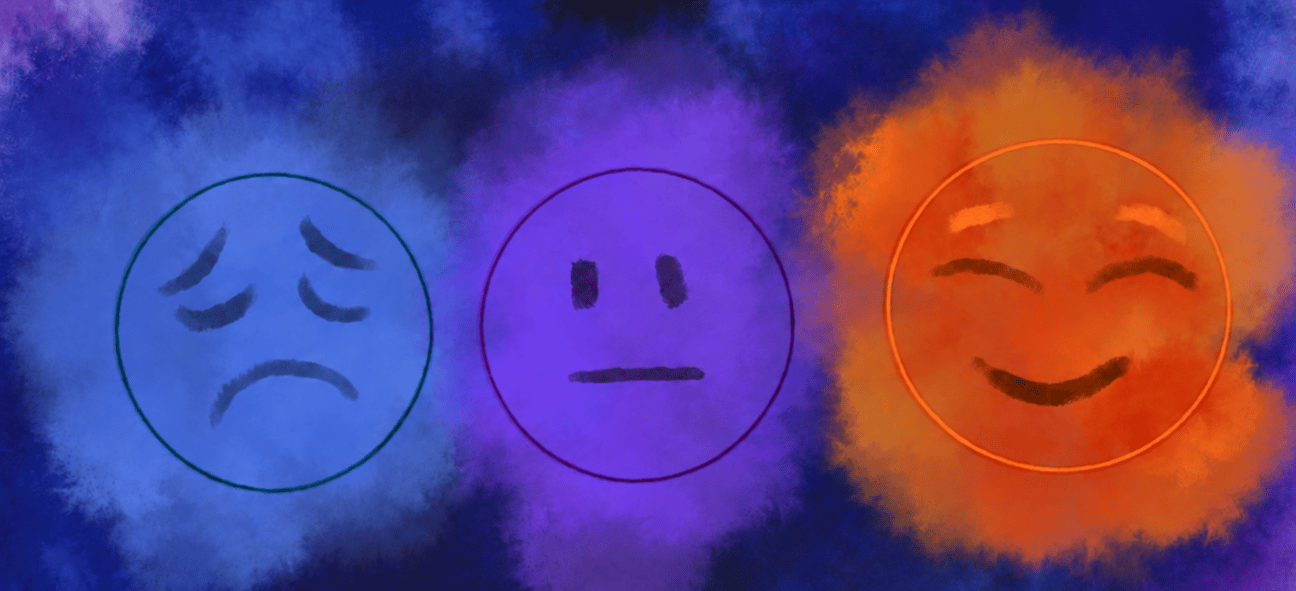
In a dot-probe task, a task in which two emotions are shown side by side (i.e. a neutral face and a emotional face) for one second, participants had to click on a dot that was shown afterwards that corresponded to the emotional face. When negative emotions were displayed, older adults were slower to respond compared to positive emotions, showing bias. However, younger adults did not display such bias.23 Then, in another experiment, looking at positive and negative car options, older adults again spent a higher portion of their time viewing positive car options rather than negative car options in comparison to younger adults.24
Lastly, analyzing autobiographical memory, older adults are more likely than younger adults to forget the intensity of their negative affect. An example of this includes the study when nuns were required to fill out a autobiographical memory questionnaire about their health and well-being 14 years ago. The study involved four groups: an accuracy group, youngest controls, oldest controls, and emotion. In the accuracy condition, the nuns were frequently asked about the memory strategies they were using, and in the emotion condition, the nuns were asked about the emotions they felt at that point in time. Questions in the survey were along the lines of “How often did you experience happiness?” It is important to note that the nuns completed the same survey 14 years ago so that biases can be assessed. When results were analyzed, the oldest controls and emotion group had a positive bias in their recall whereas the the accuracy and youngest controls had a negative bias.25
Conclusion
Faces are more than just static concepts. They are dynamic. Limitations to these some of these studies lie in the display of a static face, eye region, or mouth region. The best interpretation of emotion ultimately comes down to real world scenarios.7
However, aggregating the results derived from these studies one thing is clear: aging has a complex role in affecting emotional perception. As we get older, there is a stronger emphasis on positive affects. Reasons for such a positive outlook are still up for debate. For instance, some scholars argue it is related to one death while others argue social context. Neurological arguments and ever-changing brain perfusion and structure is also highly influential. Regardless of the reason, older adults enjoy, as a result, enjoy a better mood and positive outlook. In all, ageing illustrates a shift. A shift in which negative emotions feel so small. A shift that is also derived from their lived experiences.1,20,21,25
Now, think back to a experience in you life in which you experienced intense emotions? Then, reflect on the same memory years later. Will your thoughts about the situation differ?
References
- Williams LM, Brown KJ, Palmer D, et al. The mellow years? Neural basis of improving emotional stability over age. J Neurosci. 2006;26(24):6422-6430. doi:10.1523/JNEUROSCI.0022-06.2006
- Ekman P. An argument for basic emotions. Cogn Emot. 1992;6(3-4):169-200. doi:10.1080/02699939208411068
- Ekman P, Friesen WV. Constants across cultures in the face and emotion. J Pers Soc Psychol. 1971;17(2):124-129. doi:10.1037/h0030377
- Ruffman T, Henry JD, Livingstone V, Phillips LH. A meta-analytic review of emotion recognition and aging: implications for neuropsychological models of aging. Neurosci Biobehav Rev. 2008;32(4):863-881. doi:10.1016/j.neubiorev.2008.01.001
- Calder AJ, Young AW, Keane J, Dean M. Configural information in facial expression perception. J Exp Psychol Hum Percept Perform. 2000;26(2):527-551. doi:10.1037/0096-1523.26.2.527
- Slessor G, Insch P, Donaldson I, Sciaponaite V, Adamowicz M, Phillips LH. Adult age differences in using information from the eyes and mouth to make decisions about others’ emotions. J Gerontol B Psychol Sci Soc Sci. 2022;77(12):2241-2251. doi:10.1093/geronb/gbac097
- Sze JA, Goodkind MS, Gyurak A, Levenson RW. Aging and emotion recognition: not just a losing matter. Psychol Aging. 2012;27(4):940-950. doi:10.1037/a0029367
- Gunning-Dixon FM, Gur RC, Perkins AC, et al. Age-related differences in brain activation during emotional face processing. Neurobiol Aging. 2003;24(2):285-295. doi:10.1016/S0197-4580(02)00099-4
- Mu Q, Xie J, Wen Z, Weng Y, Shuyun Z. A quantitative MR study of the hippocampal formation, the amygdala, and the temporal horn of the lateral ventricle in healthy subjects 40 to 90 years of age. AJNR Am J Neuroradiol. 1999;20(2):207-211.
- Tisserand DJ, Visser PJ, van Boxtel MP, Jolles J. The relation between global and limbic brain volumes on MRI and cognitive performance in healthy individuals across the age range. Neurobiol Aging. 2000;21(4):569-576. doi:10.1016/S0197-4580(00)00133-0
- St Jacques PL, Dolcos F, Cabeza R. Effects of aging on functional connectivity of the amygdala during negative evaluation: a network analysis of fMRI data. Neurobiol Aging. 2010;31(2):315-327. doi:10.1016/j.neurobiolaging.2008.03.012
- Iidaka T, Okada T, Murata T, et al. Age-related differences in the medial temporal lobe responses to emotional faces as revealed by fMRI. Hippocampus. 2002;12(3):352-362. doi:10.1002/hipo.1113
- Hornak J, Bramham J, Rolls ET, et al. Changes in emotion after circumscribed surgical lesions of the orbitofrontal and cingulate cortices. Brain. 2003;126(Pt 7):1691-1712. doi:10.1093/brain/awg168
- Adolphs R, Tranel D. Impaired judgments of sadness but not happiness following bilateral amygdala damage. J Cogn Neurosci. 2004;16(3):453-462. doi:10.1162/089892904322926782
- Sprengelmeyer R, Young AW, Calder AJ, et al. Loss of disgust: perception of faces and emotions in Huntington’s disease. Brain. 1996;119(Pt 5):1647-1665. doi:10.1093/brain/119.5.1647
- Míguez JM, Aldegunde M, Paz-Valiñas L, Recio J, Sánchez-Barceló E. Selective changes in the contents of noradrenaline, dopamine and serotonin in rat brain areas during aging. J Neural Transm (Vienna). 1999;106(11-12):1089-1098. doi:10.1007/s007020050225
- Kaasinen V, Vilkman H, Hietala J, et al. Age-related dopamine D2/D3 receptor loss in extrastriatal regions of the human brain. Neurobiol Aging. 2000;21(5):683-688. doi:10.1016/S0197-4580(00)00149-4
- Honey G, Bullmore E. Human pharmacological MRI. Trends Pharmacol Sci. 2004;25(7):366-374. doi:10.1016/j.tips.2004.05.009
- Lawrence AD, Calder AJ, McGowan SW, Grasby PM. Selective disruption of the recognition of facial expressions of anger. Neuroreport. 2002;13(6):881-884. doi:10.1097/00001756-200205070-00029
- Carstensen LL, Pasupathi M, Mayr U, Nesselroade JR. Emotional experience in everyday life across the adult life span. J Pers Soc Psychol. 2000;79(4):644-655. doi:10.1037/0022-3514.79.4.644
- Gross JJ, Carstensen LL, Pasupathi M, Tsai J, Skorpen CG, Hsu AY. Emotion and aging: experience, expression, and control. Psychol Aging. 1997;12(4):590-599. doi:10.1037/0882-7974.12.4.590
- Birditt KS, Fingerman KL. Do we get better at picking our battles? Age group differences in descriptions of behavioral reactions to interpersonal tensions. J Gerontol B Psychol Sci Soc Sci. 2005;60(3):P121-P128. doi:10.1093/geronb/60.3.P121
- Mather M, Carstensen LL. Aging and attentional biases for emotional faces. Psychol Sci. 2003;14(5):409-415. doi:10.1111/1467-9280.01455
- Mather M, Knight M, McCaffrey M. The allure of the alignable: younger and older adults’ false memories of choice features. J Exp Psychol Gen. 2005;134(1):38-51. doi:10.1037/0096-3445.134.1.38
- Kennedy Q, Mather M, Carstensen LL. The role of motivation in the age-related positivity effect in autobiographical memory. Psychol Sci. 2004;15(3):208-214. doi:10.1111/j.0956-7976.2004.01503011.